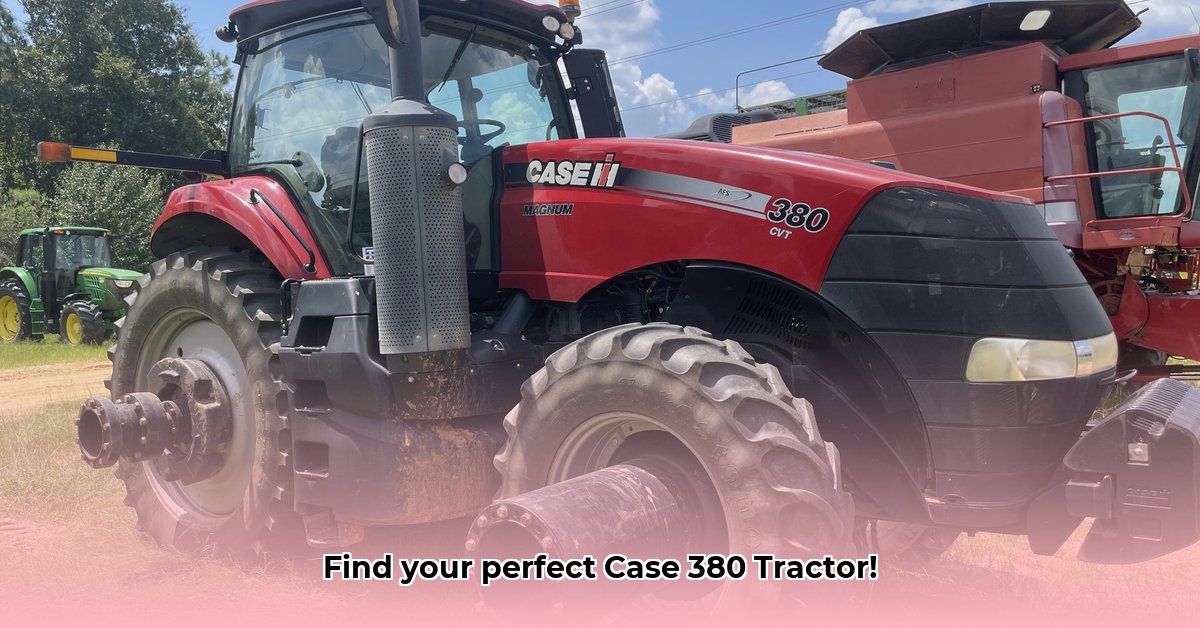
Choosing the right tractor is a significant investment. This guide focuses on the Case IH Magnum 380 series, comparing models and years to help you make an informed decision. We'll examine horsepower, engine types, transmission options (CVT and others), and technological features like AFS Connect. We'll also explore drive train choices (2WD or MFWD), hydraulic capabilities, and crucially, the costs – both initial and long-term – to help you budget effectively. Finally, we'll discuss the potential for technological obsolescence and its financial implications. For comparisons with other brands, see this helpful resource on other tractor models.
Understanding the Case IH Magnum 380 Series
The Case IH Magnum 380 series represents a significant advance in agricultural technology. These tractors offer substantially more power than their predecessors, enabling faster field work and increased productivity. But with this increased capability comes a need for careful consideration of various factors before making a purchase. This guide will delve into those factors to help you make a well-informed choice.
A Historical Perspective: The J.I. Case 380CK
Before the Magnum 380 series, the J.I. Case 380CK served as a reliable workhorse. While possessing a significantly lower horsepower rating (48 hp) compared to the Magnum's 300+ hp, it provides a useful benchmark to illustrate the technological leap achieved in modern tractors. This comparison underscores the increased efficiency and productivity offered by the Magnum series.
Comparing Magnum 380 Models: Key Features
The Magnum 380 series presents a range of models with varying features and specifications. Understanding these differences is key to selecting the best tractor for your needs.
Horsepower and Engine Performance
The Magnum 380 series boasts a wide range of horsepower, typically exceeding 300 hp. This significant increase over the J.I. Case 380CK translates to improved performance on larger fields and heavier workloads. However, higher horsepower usually means a higher initial investment. Is the increased horsepower truly necessary for your operation, or would a lower-powered model suffice?
Transmission: CVT vs. Traditional Gear-Based Systems
Magnum 380 tractors offer both Continuously Variable Transmissions (CVTs) and traditional gear-based systems. CVTs provide smoother operation and potentially better fuel efficiency. However, traditional gear-based systems may offer greater durability and simpler maintenance, potentially reducing long-term costs. The optimal choice depends on individual farming practices and priorities.
Technology Integration: Case IH AFS Connect
Many Magnum 380 models incorporate Case IH's AFS Connect technology. This system provides real-time data on various aspects of tractor performance, helping optimize efficiency and productivity. However, potential technology glitches and the cost of maintaining this system should be factored into your decision. Is the added technological complexity worth the potential benefits for your operation?
Drive Train: MFWD vs. 2WD
The choice between Mechanical Front-Wheel Drive (MFWD) and 2WD depends on the terrain and workload. MFWD offers superior traction in challenging conditions, maximizing efficiency. However, 2WD models generally have lower initial costs and simpler maintenance. What are the typical field conditions you'll encounter?
Hydraulic System Capabilities
The number and type of hydraulic remotes vary across Magnum 380 models. More remotes offer greater versatility in using different attachments. However, more complex hydraulic systems can lead to more costly repairs. How many attachments do you typically use?
Cost Analysis: Pricing, Maintenance, and Ownership
The price of a Case IH Magnum 380 varies widely, influenced by factors such as model year, condition, hours of operation, and included features. Used tractors can range from around $160,000 to over $550,000 for newer models.
Maintenance and Operational Costs
Regular maintenance is crucial for maximizing the lifespan and productivity of your tractor. Costs include routine servicing, potential major repairs, fuel consumption, and any potential downtime due to unexpected issues. Remember to factor in insurance costs as well. These accumulated costs significantly affect the total cost of ownership. What is a realistic budget for maintenance and repairs over the tractor's anticipated lifespan?
Technological Obsolescence
Technological advancements in agricultural machinery are rapid. Consider the potential for software and hardware obsolescence when assessing long-term costs. Will your chosen model receive future software updates and will replacement parts remain readily available?
Conclusion: Making the Right Choice
Selecting a Case IH Magnum 380 requires considering your specific farming needs, budget, and long-term goals. The comprehensive analysis outlined in this guide should empower you to make an informed investment decision, ensuring your chosen tractor aligns with your operational requirements and financial considerations. Thorough research and a realistic cost assessment are vital for successful ownership.